
Read Time: 3 Minutes
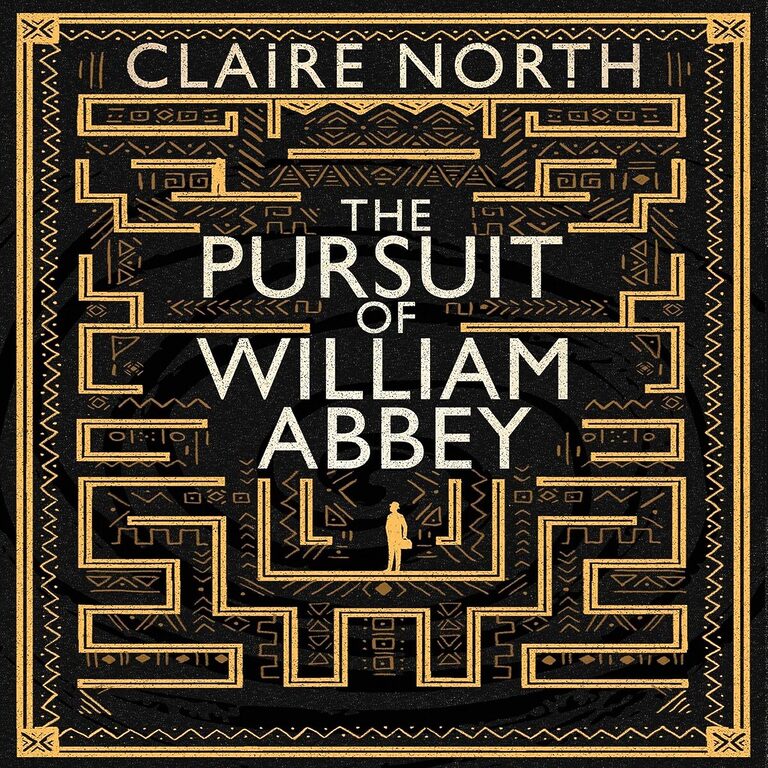
Some books hinge on a single bad decision. The Pursuit of William Abbey is very clear about which one it is, and it never lets its main character forget it.
William Abbey is an English doctor in 1880s South Africa who witnesses a mob murder a young Zulu boy. He does nothing. That moment of inaction earns him a curse that defines the rest of his life.
From that point on, Abbey is pursued by the boy’s spirit, Langa. It never rests, never stops, and moves steadily towards him. It is not fast, but it does not need to be. Abbey’s life becomes shaped by constant motion, because stopping has consequences he cannot afford.
There’s a second part to the curse not mentioned in the blurb where Abbey becomes a truth-speaker. He can see straight through people, their motives, fears, and lies, and he is compelled to speak those truths out loud when Langa is close by.
Once he puts enough distance between himself and the spirit, the compulsion fades, but the knowledge never does. He knows who people really are, whether that knowledge is useful, cruel, or completely unwanted.
That idea does most of the heavy lifting and it eventually pulls Abbey into Her Majesty’s Service as a spy. It turns out that someone who can perceive the truth of any situation is extremely useful in intelligence work, provided he keeps a safe distance from the supernatural horror trudging along behind him.
Of course, it also paints a target on his back from all the other intelligence services around the world, though some countries are willing to go much further to secure the secretes of the truth-talkers than others.
Because Langa never stops, Abbey cannot either. The book has a constant sense of movement to it, always running, always relocating, rarely letting him settle for long.
That relentless motion gives the novel a slightly frenetic edge, even when the writing itself is calm and reflective. Any pause must temporary lest it cause someone that Abbey loves to die. Any connection feels risky. Abbey knows that staying too long in one place, or with one person, is dangerous not just for him but for anyone he cares about.
Peter Kenny’s narration is a strong fit, and probably why he frequently narrates for Claire North. I didn’t make any notes on production issues, and no issues with keeping characters and voices distinct throughout.
There are also a few cheeky nods to Claire North’s other novels, with references to people with strange abilities like people who can switch bodies (Touch) and someone who had lived the same life 100 times (The First Fifteen Lives of Harry August).
By the end, I was glad I listened, even if I doubt I will revisit it. The core idea is strong, but the journey to get there felt a little long in places. Thoughtful and an interesting story expanding on the central idea… just not one that left me wanting another run.
Want to listen to "The Pursuit of William Abbey" free?
You can get The Pursuit of William Abbey free with a 30-day Audible trial - no strings attached. Cancel anytime. The free trial of Audible includes one free audiobook of your choice (yep, including The Pursuit of William Abbey which you keep it even if you cancel) and unlimited streaming from the Audible Plus catalogue.
Need more than just one? Audible's Premium Plus plan includes up to 24 credits and full access to and the entire Audible Plus catalogue.
Start your free Audible trial
Explore what's included with Premium Plus
Note: These are affiliate links, which means we may earn a small commission if you decide to sign up. It doesn't cost you anything extra, and it helps support our site! ♥